
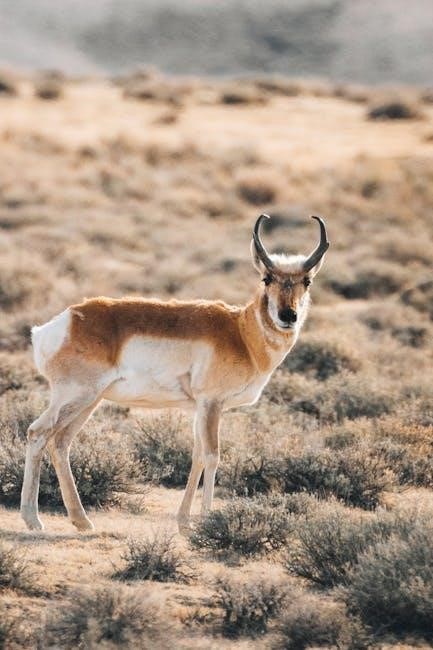
pronghorn guided hunts
Chase majestic pronghorn across the plains! Yewplay.com offers thrilling, fully-guided pronghorn hunts for an unforgettable experience. Book your pronghorn adventure today!
Pronghorn Guided Hunts: A Comprehensive Overview (Updated 01/25/2026)
Pronghorn hunting experiences vary greatly, from successful daytime harvests to challenging archery pursuits, and dedicated conservation efforts are emerging to support pronghorn populations.
Hunters discuss meat quality, skull mounting techniques (including natural methods like fish or fire ants), and population recovery after challenging years like 2022 in Wyoming.
Oklahoma and Colorado offer unique opportunities, with hunters often assisting friends on controlled hunts, while discussions revolve around point systems and strategic hunting timing.
What is a Pronghorn Guided Hunt?
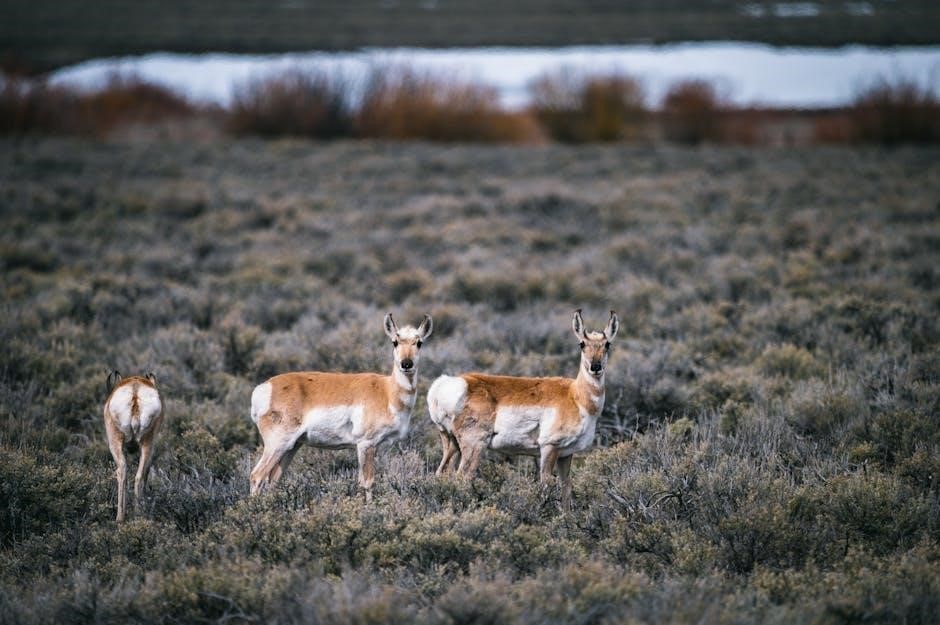
A pronghorn guided hunt represents a specialized hunting experience where individuals engage the services of professional outfitters and guides to pursue pronghorn antelope. These hunts transcend simply obtaining a tag; they encompass a comprehensive package designed to maximize success and enjoyment. Guides possess intimate knowledge of pronghorn behavior, migration patterns, and preferred habitats within specific hunting areas.
Typically, a guided hunt includes logistical support such as pre-hunt scouting, transportation within the hunting grounds, assistance with field dressing and meat care, and often, trophy care arrangements. Hunters benefit from the guide’s expertise in spotting and stalking techniques, or utilizing blinds and stands, tailoring the approach to the terrain and pronghorn activity. The goal is to provide a legally compliant, ethical, and memorable hunt, often catering to varying skill levels – from first-time hunters to seasoned sportsmen seeking a challenging pursuit.
These hunts often address concerns about navigating complex regulations and licensing requirements, ensuring a smooth and lawful experience.
The Appeal of Pronghorn Hunting
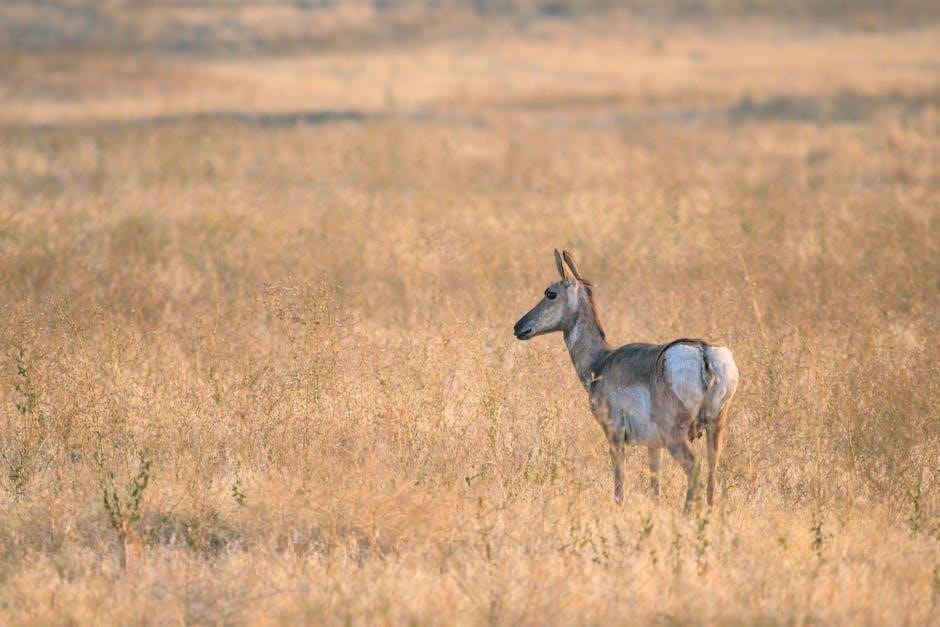
Pronghorn hunting holds a unique allure for many sportsmen, stemming from the animal’s captivating speed, graceful form, and the challenge it presents. Often described as America’s speed goat, the pronghorn’s remarkable agility demands skillful hunting strategies, frequently involving long-range shooting or meticulous spot-and-stalk tactics. Beyond the sporting challenge, pronghorn offer a delicious and lean meat source, highly prized by those who harvest them.
The pursuit also connects hunters with vast, open landscapes of the American West, fostering an appreciation for wildlife conservation and the natural world. For some, the appeal lies in the tradition of the hunt, sharing experiences with friends and family, and carrying on a legacy. The desire to obtain a beautiful pronghorn trophy, meticulously preserved through skull mounting, adds another layer of satisfaction for many hunters.
Ultimately, the appeal is a blend of sporting challenge, ethical harvest, and connection to the land.
Key Pronghorn Hunting Locations
Pronghorn hunting opportunities are concentrated in the western United States, with several states consistently ranking as premier destinations. Wyoming historically boasts robust pronghorn populations, though recent years have seen fluctuations requiring careful consideration of hunt planning and point accumulation. Colorado presents a compelling option, particularly for archery hunters seeking a challenging spot-and-stalk experience.
Oklahoma’s Cimarron County is recognized for its controlled hunts, offering dedicated opportunities for hunters drawn through the state’s lottery system. These locations provide diverse terrain and varying pronghorn densities, catering to different hunting styles and preferences. Hunters often discuss the benefits of focusing on specific counties or regions within these states to maximize their chances of success.
Choosing the right location is crucial, factoring in draw odds, population trends, and personal hunting goals.
Wyoming Pronghorn Hunts
Wyoming consistently ranks as a top destination for pronghorn hunting, renowned for its expansive landscapes and historically abundant antelope populations. However, recent discussions among hunters indicate population dips, notably around 2022, prompting some to delay burning hard-earned points. This emphasizes the importance of staying informed about current population trends before applying for tags.
Guided hunts in Wyoming often focus on utilizing the vast open terrain to spot and stalk mature bucks. Outfitters provide valuable expertise in locating prime feeding and bedding areas. Successful hunts frequently involve careful glassing and strategic positioning to capitalize on pronghorn’s keen eyesight.
Hunters considering Wyoming should research specific hunt areas and understand the point system, as demand for tags can be high.
Colorado Pronghorn Hunts
Colorado presents a compelling option for pronghorn hunters, particularly for those seeking a challenging archery experience. The state’s terrain offers diverse hunting scenarios, ranging from open plains to rolling hills, demanding adaptable hunting strategies. One hunter shared their experience drawing a tag for the first time, planning a spot-and-stalk approach supplemented with decoys and calls to close the distance;
Guided hunts in Colorado often prioritize scouting to pinpoint areas with concentrated pronghorn activity. Outfitters can provide insights into local migration patterns and preferred feeding grounds. Success hinges on understanding pronghorn behavior and utilizing wind direction to avoid detection.
Archery hunters should be prepared for longer shot distances and practice extensively to ensure accuracy.
Oklahoma Pronghorn Hunts
Oklahoma’s Cimarron County is a notable destination for controlled pronghorn hunts, offering a unique experience within a managed hunting system; One hunter recounted assisting a friend on a doe tag hunt in this region, highlighting the collaborative spirit often found amongst hunters. These hunts frequently require careful planning and coordination, especially when supporting a fellow sportsman.
Guided hunts in Oklahoma can provide access to private land, increasing the chances of a successful harvest. Outfitters familiar with the area can navigate the permit application process and offer valuable insights into local pronghorn populations and their movements.
Hunters should be prepared for potentially challenging conditions and prioritize ethical hunting practices within the framework of Oklahoma’s regulations.
Understanding Pronghorn Behavior & Habitat
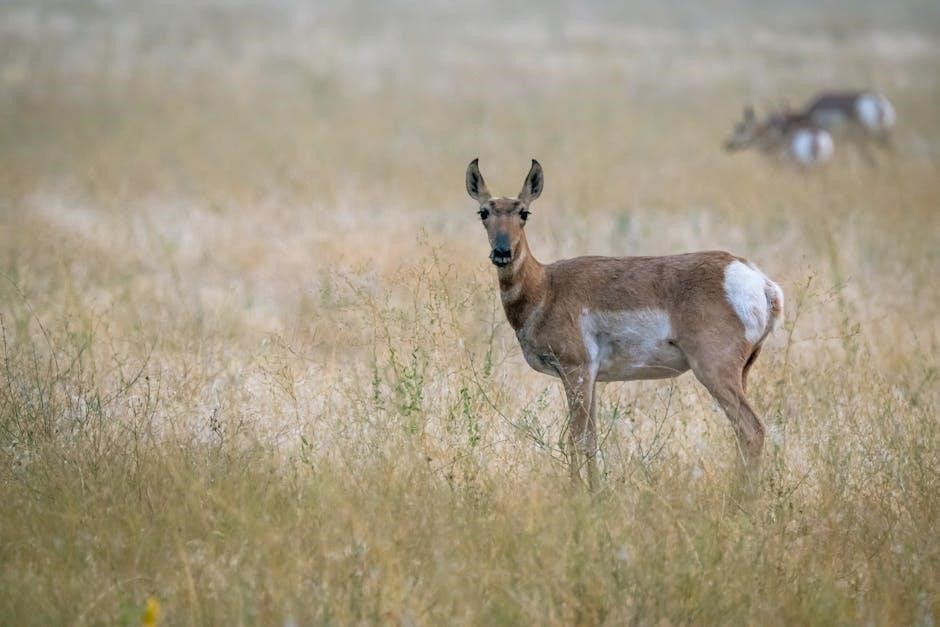
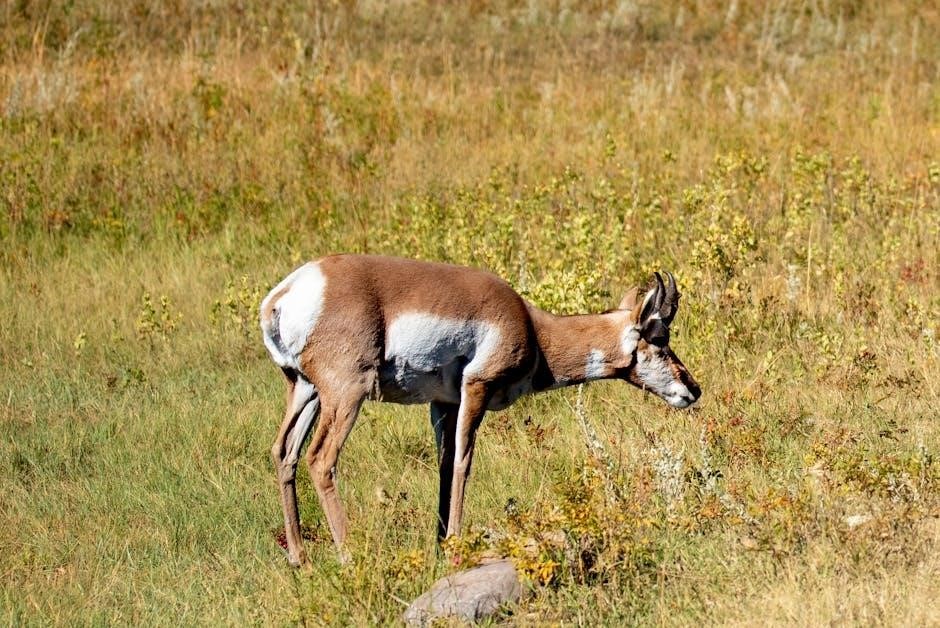
Pronghorn, often called antelope, thrive in open grasslands and sagebrush flats, requiring vast landscapes for their incredible speed and stamina. Their exceptional eyesight allows them to detect movement from considerable distances, making stealth a crucial element in any hunt. Understanding their daily routines – feeding patterns, bedding areas, and travel corridors – is paramount for success.
These animals are highly social, typically found in herds, though bucks may separate during the breeding season (rut). Knowing how they react to pressure and wind direction is vital. Spotting and stalking tactics rely heavily on interpreting their behavior and utilizing natural cover effectively.
Habitat quality directly impacts pronghorn distribution, and recent population fluctuations, like those observed in Wyoming, underscore the importance of habitat conservation.
Benefits of Hiring a Pronghorn Hunting Guide
Pronghorn hunting, while rewarding, demands specialized knowledge. A skilled guide dramatically increases your chances of success by possessing intimate familiarity with local pronghorn behavior, migration patterns, and preferred habitats. They scout extensively, identifying prime hunting locations and understanding current herd movements.
Guides navigate complex regulations and licensing requirements, ensuring a legal and ethical hunt. They often have access to private land, expanding hunting opportunities beyond public areas. Furthermore, experienced guides provide invaluable assistance with field dressing, meat care, and trophy preparation.
For out-of-state hunters, a guide eliminates the learning curve associated with unfamiliar terrain and wildlife. They offer a safer, more efficient, and ultimately more enjoyable hunting experience.
Types of Pronghorn Hunts Offered
Pronghorn hunts cater to diverse preferences and skill levels, with two primary methods dominating the field: spot and stalk, and blind/stand hunting. Spot and stalk, favored by archery hunters, involves locating pronghorn and pursuing them across the open terrain, often utilizing decoys and calls to close the distance.
This method demands physical fitness, patience, and proficient shooting skills. Conversely, blind or stand hunts offer a more stationary approach, utilizing strategically placed blinds or natural cover to ambush unsuspecting animals.
These hunts are well-suited for rifle hunters and those seeking a less physically demanding experience. Outfitters frequently combine these techniques, adapting to prevailing conditions and pronghorn behavior to maximize hunter success.
Spot and Stalk Hunts
Spot and stalk hunting for pronghorn epitomizes the classic western hunting experience, demanding a blend of skill, endurance, and adaptability. Hunters, often employing spotting scopes, meticulously scan vast landscapes to locate herds of pronghorn. Success hinges on the ability to approach these wary animals undetected, utilizing terrain features and wind direction to their advantage.
Archery enthusiasts particularly favor this method, frequently incorporating decoys and calls to lure pronghorn within bow range. Patience is paramount, as stalks can take hours, requiring careful footwork and precise range estimation.
Physical fitness is crucial, as stalks often involve navigating challenging terrain. A successful spot and stalk hunt delivers a profound sense of accomplishment, earned through skillful execution and intimate knowledge of pronghorn behavior.
Blind/Stand Hunts
Blind and stand hunting for pronghorn presents a contrasting approach to the dynamic spot and stalk method, emphasizing patience and strategic positioning. Hunters establish themselves in well-concealed blinds or stands, often overlooking known travel corridors, feeding areas, or water sources frequented by pronghorn.
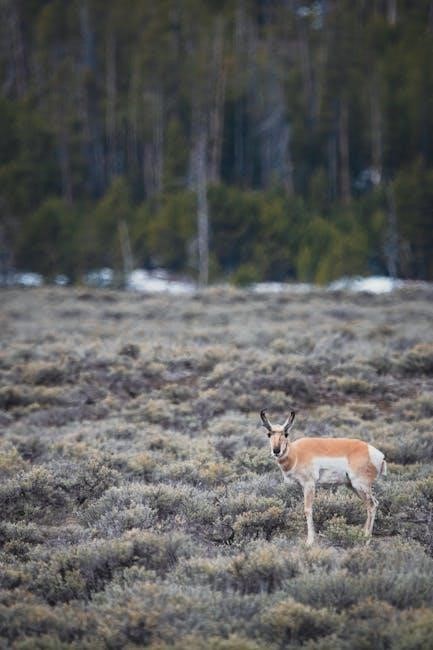
This tactic excels in open terrain where concealment is limited, allowing hunters to remain hidden while monitoring expansive landscapes. Blinds can range from natural vegetation to commercially manufactured structures, providing effective cover from the keen eyesight of pronghorn.
Success relies on understanding pronghorn movement patterns and anticipating their approach. While less physically demanding than stalking, blind hunts require extended periods of stillness and unwavering focus, offering a unique and rewarding hunting experience.
Pronghorn Hunting Regulations & Licensing
Pronghorn hunting is heavily regulated to ensure sustainable populations, requiring hunters to navigate a complex system of licenses, tags, and season dates. Regulations vary significantly by state, with Wyoming, Colorado, and Oklahoma each possessing unique requirements.
Many states employ a point system, where hunters accumulate points over years of unsuccessful applications, increasing their odds of drawing a coveted tag. Controlled hunts, like those in Oklahoma’s Cimarron County, further restrict access and manage harvest levels.
Hunters must thoroughly research and understand the specific regulations for their chosen hunting location, including legal hunting hours, weapon restrictions, and reporting requirements. Compliance is crucial to avoid penalties and contribute to responsible pronghorn management.
Essential Gear for a Pronghorn Hunt
Pronghorn hunting demands careful gear selection, prioritizing lightweight equipment for the often expansive and arid hunting grounds. High-quality binoculars are paramount for spotting these swift animals at long distances, alongside a dependable rangefinder for accurate shot placement.
Appropriate clothing is crucial, including camouflage suited to the terrain, moisture-wicking layers for temperature fluctuations, and sturdy boots for traversing varied landscapes. Hunters pursuing a spot and stalk strategy may benefit from a packable decoy and calls.
Essential accessories include a game bag for transporting harvested meat, a sharp knife for field dressing, and ample water for hydration. Don’t forget sun protection – hats, sunglasses, and sunscreen – as pronghorn hunts often occur in exposed environments.
Pronghorn Meat Processing & Consumption
Pronghorn meat is widely regarded as a delicious and lean game source, though proper handling is key to minimizing gaminess. Quick field dressing and cooling are vital; some hunters report success even after less-than-ideal initial handling, but optimal care yields the best results.
Thorough aging, typically for several days at refrigerated temperatures, can significantly improve tenderness and flavor. Many hunters prefer to process the meat themselves, utilizing cuts suitable for steaks, roasts, and ground meat. Professional processing is also a convenient option.
Recipes often emphasize marinades or bolder seasonings to complement the pronghorn’s unique flavor profile; Careful preparation ensures a rewarding culinary experience, making the hunt even more satisfying.
Pronghorn Trophy Care: Skull Mounting
Pronghorn skull mounting is a popular way to preserve a memorable hunt, with hunters exploring various methods to achieve a clean, attractive display. A common technique involves removing the flesh and carefully boiling or steaming the skull to loosen remaining tissue.
Alternatively, some hunters utilize natural methods, employing fish or fire ants to meticulously clean the skull – a testament to resourceful approaches. Once clean, the skull is often whitened using hydrogen peroxide or similar agents, ensuring a pristine finish.
Proper articulation of the horns and careful attention to detail are crucial for a professional-looking mount. Many hunters choose to DIY, while others opt for professional taxidermists for expert results, preserving their trophy for years to come.
Pronghorn Population Dynamics & Conservation
Pronghorn populations, while generally stable, face ongoing challenges requiring dedicated conservation efforts. Historically, these animals lacked a dedicated non-profit organization advocating for their well-being, unlike other big game species.
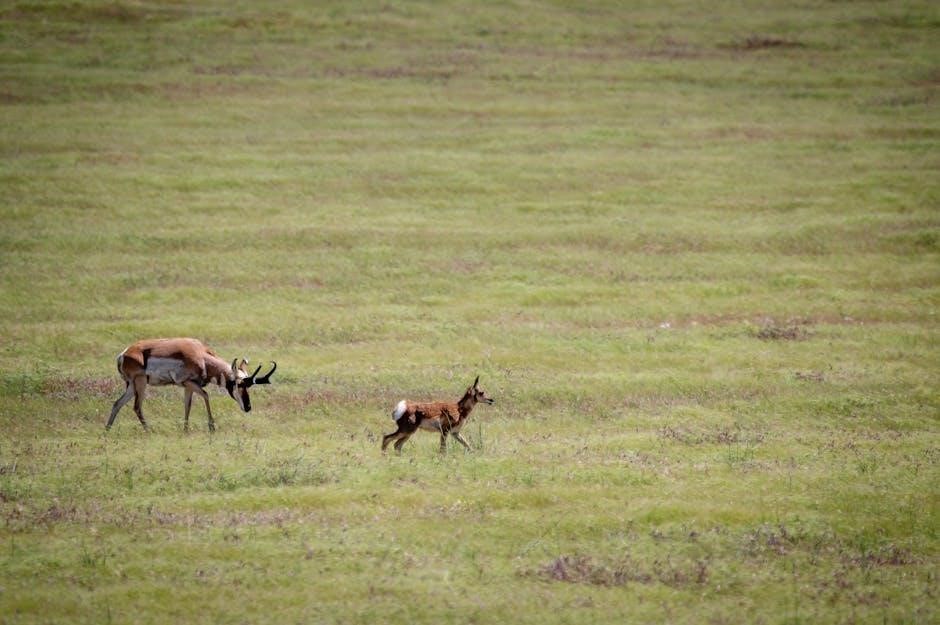
However, a growing awareness has spurred groups to address this gap, focusing on maintaining healthy, sustainable, and huntable pronghorn numbers. Factors like harsh winters and habitat loss can significantly impact population sizes, as evidenced by concerns regarding Wyoming’s pronghorn in 2022.
Conservation initiatives often involve habitat restoration, disease monitoring, and collaborative management strategies between wildlife agencies and hunters, ensuring the future of this iconic North American species;
Planning Your Pronghorn Hunt: Timing & Points Systems
Successful pronghorn hunting often hinges on strategic planning, particularly regarding timing and navigating state-specific points systems. Hunters frequently accumulate points over years to increase their draw odds for coveted tags, especially in popular states like Wyoming and Colorado.
Deciding when to “burn” those points is crucial, considering factors like recent population trends – some hunters delayed Wyoming hunts post-2022 due to perceived declines, anticipating population recovery. Archery hunts present a different timing challenge, requiring scouting and adapting to pronghorn behavior.
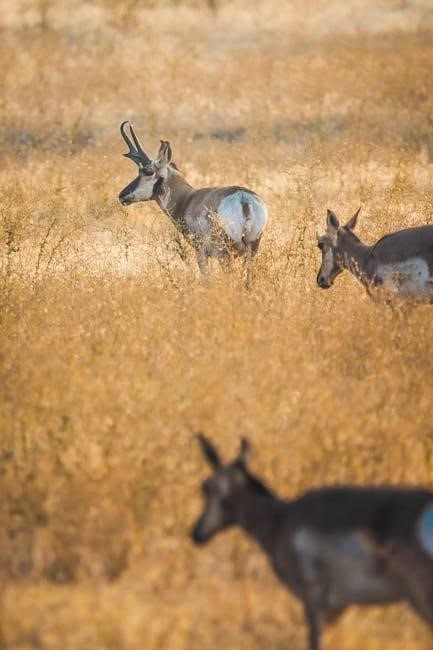
Understanding each state’s application deadlines, point valuation, and tag allocation process is paramount for maximizing your chances of a rewarding hunt.
Cost Considerations for Guided Pronghorn Hunts
The financial investment in a guided pronghorn hunt can vary significantly, influenced by factors like location, outfitter reputation, hunt duration, and included amenities. While specific pricing isn’t detailed in the provided text, it’s implied that careful consideration is needed when budgeting for such an experience.
Hunters should anticipate costs beyond the basic hunt fee, including travel expenses to and from the hunting area, licenses and tags (which require point accrual in many states), trophy care services like skull mounting, and meat processing.
Furthermore, gratuities for guides and cooks are customary. Thoroughly researching and comparing outfitter packages is essential to ensure transparency and value for your investment.
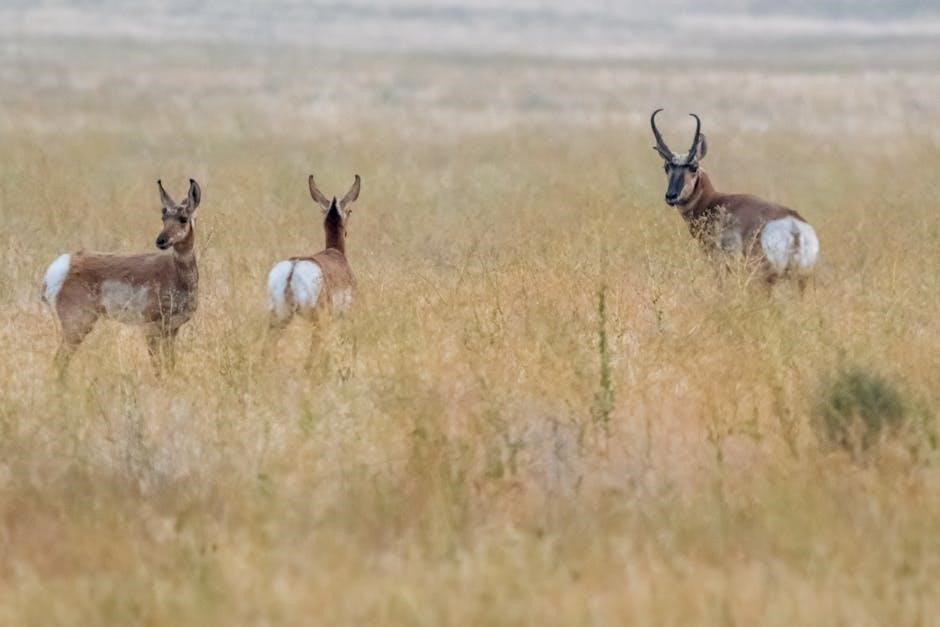
Choosing the Right Pronghorn Hunting Outfitter
Selecting a reputable pronghorn hunting outfitter is paramount for a successful and ethical hunt. While the provided text doesn’t offer direct advice, it highlights the importance of shared experiences and support amongst hunters, suggesting a community-focused approach to finding reliable outfitters.
Look for outfitters with a proven track record of ethical hunting practices and a commitment to wildlife conservation, as evidenced by involvement with relevant non-profit organizations. Consider outfitters operating in areas with healthy pronghorn populations, acknowledging potential fluctuations like those experienced in Wyoming in 2022.
Seek recommendations from fellow hunters and thoroughly investigate outfitter reviews. Prioritize transparency regarding costs, hunt details, and included services to ensure a well-informed decision.